


Chiropractor for TMJ Pain: Care for Jaw Dysfunction

Can a Chiropractor Help With TMJ Pain? Understanding the Jaw, Neck and Stress Connection
A patient once came to see me with recurring jaw pain.
What surprised her during the examination was that I wasn't only interested in her jaw.
I was also examining her neck, upper back and posture.
She hadn't realised these areas could be relevant to the discomfort she was experiencing.
It's a conversation I've had with patients who experience jaw problems, particularly those involving tight muscles, a deep ache around the joint, a feeling of locking or recurring headaches.
We naturally assume that if something hurts, the problem must be located exactly where we feel the pain.
But the body doesn't always work that way.
Jaw pain can involve several overlapping factors, including the jaw joint, chewing muscles, neck function, clenching habits and stress.
Understanding these connections is often an important part of deciding what treatment may help.
What Is TMJ Dysfunction?
TMJ stands for temporomandibular joint.
You have one on each side of your face, just in front of your ears.
These joints allow your lower jaw to move when you speak, chew, swallow and yawn.
You can feel them working by placing your fingers just in front of your ears and slowly opening and closing your mouth.
The joint contains a small cartilage disc that helps the surfaces move together.
Surrounding the joint are several muscles, including the masseter in your cheek and the temporalis around your temple.
When people refer to TMJ dysfunction, they are usually describing a group of conditions known as temporomandibular disorders (TMD).
These may involve the joint, the chewing muscles or both.
Symptoms can include:
A deep ache around the jaw or in front of the ear
Tight or tender jaw muscles
Pain when chewing or yawning
Clicking or popping
A feeling that the jaw catches or locks
Difficulty opening the mouth comfortably
Headaches around the temples
Associated neck discomfort
The important thing is that these symptoms don't necessarily have the same cause.
That's why assessment matters.
Why Jaw Pain Isn't Always Just a Jaw Problem
One of the things I try to explain to patients is that the jaw doesn't operate in isolation.
Every time you chew, speak or open your mouth, several muscles and joints work together.
The head and neck also provide a stable base for these movements.
That doesn't mean every jaw problem comes from the neck.
But it does mean that looking only at the jaw joint may miss other factors contributing to someone's symptoms.
When assessing a patient with TMJ complaints, I'm interested in three main areas:
The jaw joint and surrounding muscles.
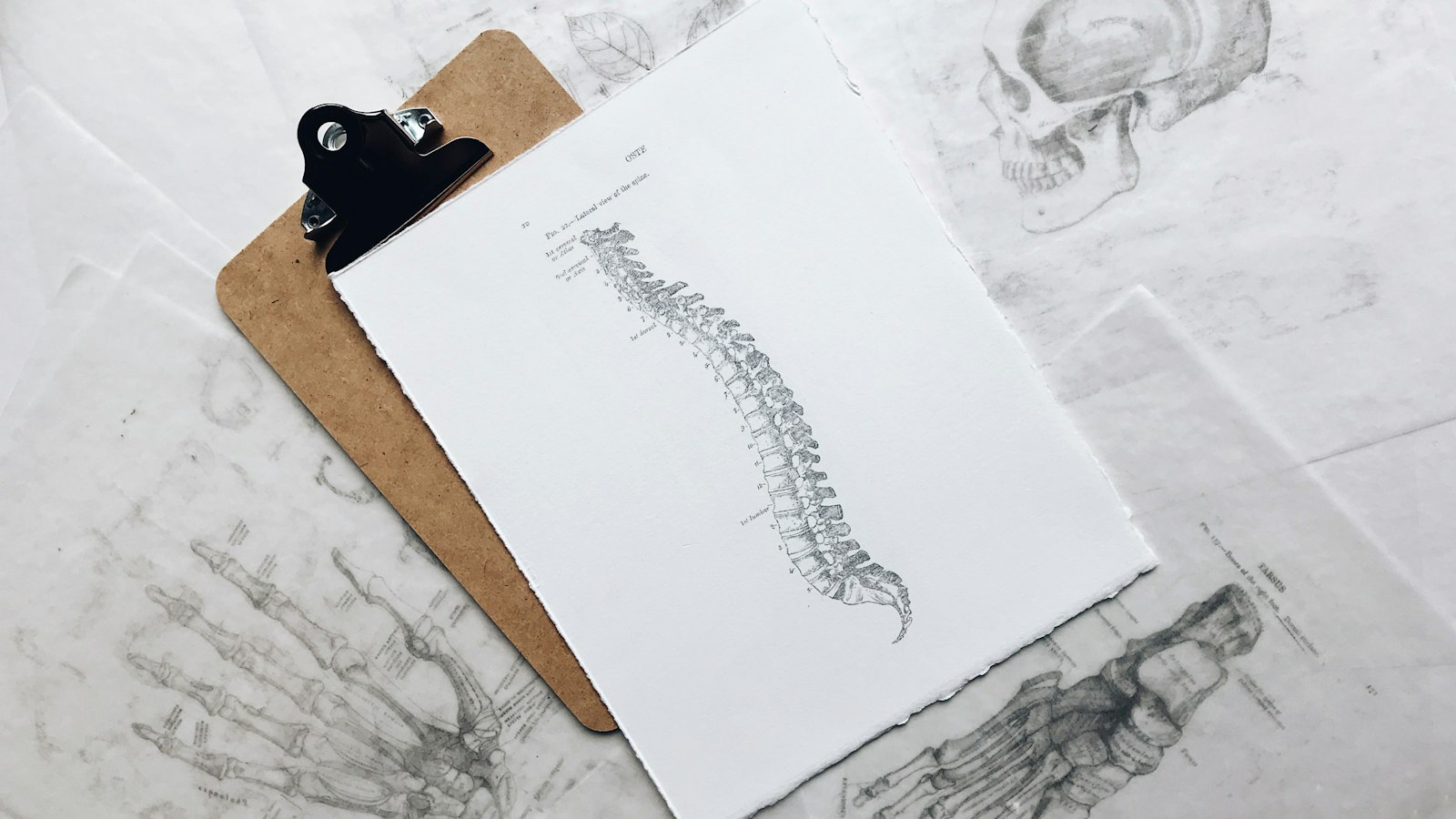
The cervical spine, particularly the upper neck.
The thoracic spine, posture and everyday loading habits.
I'm looking for limitations or patterns that might be relevant to the person's discomfort.
The aim isn't to find something wrong in every area.
It's to understand which findings actually matter.
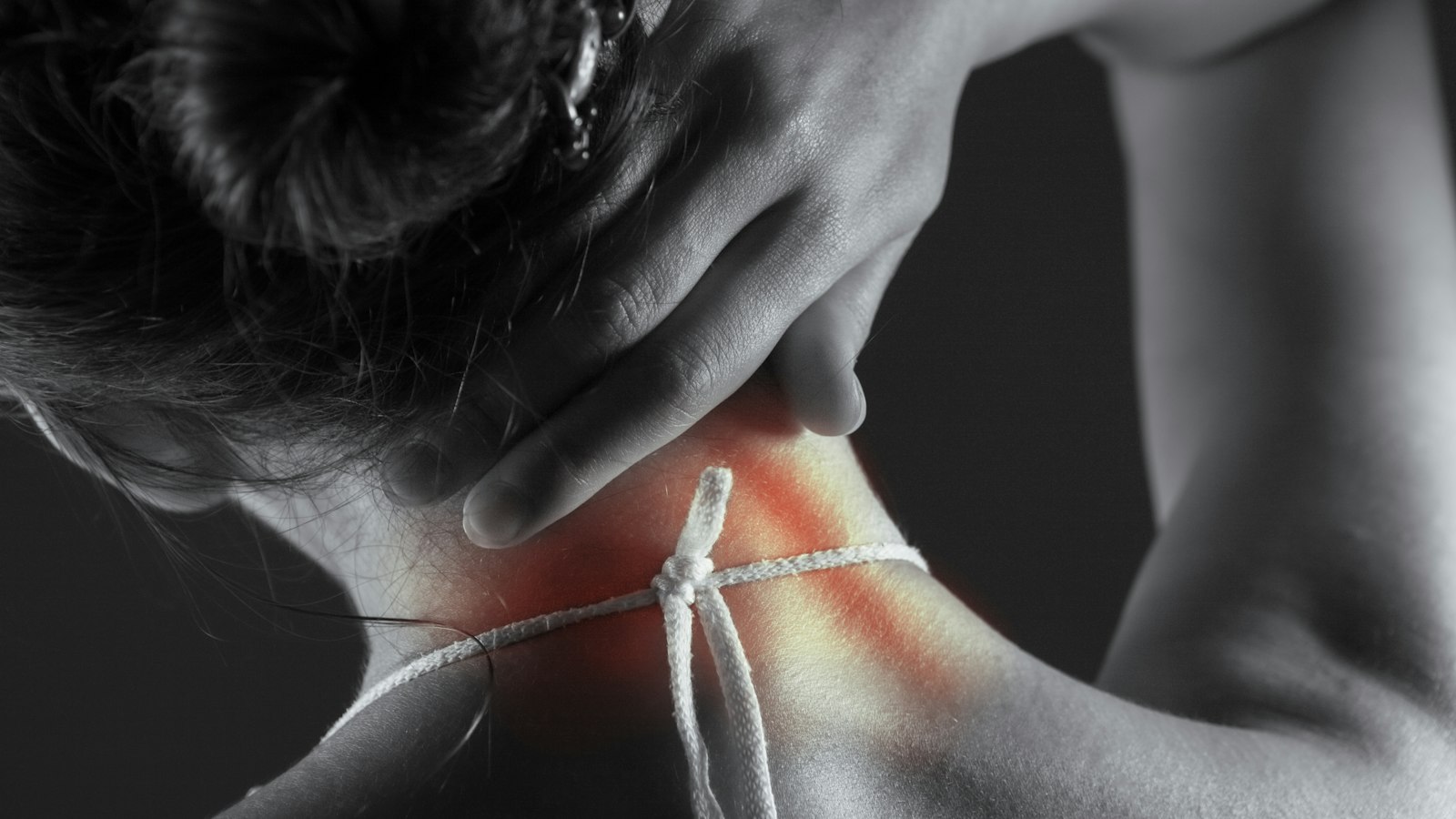
The Connection Between TMJ Pain and the Neck
The jaw and upper neck have a particularly interesting relationship.
Sensory information from the face and jaw travels largely through the trigeminal nerve.
Sensory information from the upper neck travels through cervical nerves.
Some of these pathways converge within the brainstem and upper cervical spinal cord.
This helps explain why pain from different regions can sometimes overlap or be difficult to distinguish.
It is also one reason jaw disorders and neck discomfort frequently occur together.
Research has identified associations between temporomandibular disorders and neck pain, including differences in neck movement and muscle sensitivity in some patients.
However, an association doesn't prove that the neck caused the jaw problem.
For some people, the neck may be contributing to their symptoms.
For others, the jaw itself is the main issue.
And sometimes both regions require attention.
What About Forward Head Posture?
Forward head posture is something I also assess.
It's common among people who spend long periods working at computers or looking down at screens.
When the head sits forward for extended periods, the neck and surrounding muscles may have to work differently.
There are plausible mechanical relationships between head position, neck muscle activity and jaw movement.
However, research has not established that forward head posture directly causes TMJ dysfunction.
I therefore don't assume that correcting someone's posture will automatically resolve their jaw pain.
Instead, I assess whether their posture is associated with movement restrictions, muscle discomfort or sustained positions that aggravate their symptoms.
For more on this relationship, read my article about the spine and brain connection.
Stress, Night-Time Clenching and Jaw Pain
This is one of the most common patterns patients describe to me.
They wake up with tight jaw muscles, discomfort around the temples or a deep ache near the joint.
Sometimes they are aware that they've been grinding their teeth during the night.
Others only discover it because their partner hears the grinding or their dentist notices signs of tooth wear.
And very often, patients themselves make the connection with stress.
They tell me that the symptoms seem worse during particularly demanding periods at work or in their personal lives.
This makes sense because stress and sleep disturbances can be associated with jaw muscle activity and pain sensitivity.
However, sleep bruxism — the medical term for grinding or clenching during sleep — is a complex behaviour.
It isn't always caused by stress, and not everyone who grinds their teeth develops jaw pain.
Certain medications, sleep-related factors and other influences may also be involved.
Why You Might Be Clenching Without Realising It
Clenching doesn't only happen at night.
Some people hold their teeth together while concentrating, driving, working at a computer or dealing with a stressful situation.
They may not notice it until someone asks them to check what their jaw is doing.
Try this now.
Are your upper and lower teeth touching?
Are your jaw muscles tense?
Are you holding your breath or tightening your shoulders?
When your jaw is at rest, your teeth generally shouldn't be pressed firmly together.
A simple reminder I often find useful is:
Lips together, teeth apart.
Let your lips close comfortably, relax your jaw and allow a small space between your teeth.
You can also let your tongue rest gently against the roof of your mouth.
This isn't a cure for TMJ dysfunction, but it may help reduce unnecessary daytime muscle activity.
It won't reliably prevent grinding while you're asleep.
Can TMJ Dysfunction Cause Headaches?
Headaches are another symptom I encounter in patients with jaw complaints.
The temporalis muscles sit on either side of your head, around your temples.
When these muscles become painful or sensitive, discomfort may be experienced around the side of the head.
Certain temporomandibular disorders can also contribute to headaches that are aggravated by jaw movement or chewing.
However, not every headache is caused by TMJ dysfunction.
Tension-type headaches, migraines, neck-related headaches and other medical conditions can produce overlapping symptoms.
An assessment should therefore consider the pattern of the headache rather than automatically attributing it to the jaw.
New, sudden or unusually severe headaches require appropriate medical assessment.
Does Jaw Clicking Mean Something Is Wrong?
Not necessarily.
Some people have clicking jaws for years without experiencing pain or difficulty opening their mouths.
A painless click doesn't automatically mean the joint is damaged or requires treatment.
In some cases, clicking occurs because the small disc inside the joint moves differently as the jaw opens and closes.
If the jaw opens comfortably and the clicking isn't associated with other symptoms, treatment may not be necessary.
However, an assessment becomes more important if clicking is accompanied by:
Pain
Increasing difficulty opening the mouth
Repeated catching or locking
A change in the way the teeth meet
Difficulty chewing normally
A jaw that becomes stuck open or cannot open adequately deserves prompt dental or medical assessment.
The goal should be to understand the problem, not simply eliminate every joint sound.
How I Assess TMJ Problems in My Chiropractic Practice
When someone comes to see me with recurring jaw discomfort, I begin by understanding their symptoms.
I want to know when the problem started, whether it affects one or both sides, and whether chewing, talking or opening the mouth makes it worse.
I also ask about headaches, neck discomfort, clenching and any previous dental treatment.
From there, the physical examination generally involves several areas.
1. Jaw Joint Movement
I assess how comfortably the jaw opens and closes.
I'm looking for restricted movement, discomfort, clicking, catching or deviation to one side.
These findings can help identify whether the joint itself may be contributing.
2. The Surrounding Muscles
I examine the chewing muscles, particularly around the cheeks and temples.
Muscle tenderness can be relevant when someone describes tightness, aching or discomfort associated with clenching.
3. The Cervical Spine
I assess the neck, including movement and areas of tenderness or restriction.
I'm interested in whether neck movements reproduce symptoms or whether there are associated limitations that may be contributing.
4. The Thoracic Spine and Posture
I also look at the upper back and head posture.
These assessments help me understand how the person moves and whether sustained positions may be aggravating their symptoms.
Importantly, a postural finding on its own doesn't prove the cause of jaw pain.
Once the examination is complete, I explain what the findings suggest and whether chiropractic care, dental care, physiotherapy or further medical assessment is appropriate.
Can Chiropractic Treatment Help TMJ Pain?
For some people, conservative musculoskeletal treatment may help manage pain and movement limitations associated with temporomandibular disorders.
The most appropriate treatment depends on the underlying problem.
Where clinically indicated, care may involve:
Gentle manual therapy for associated neck or upper back restrictions
Soft tissue treatment for tender chewing muscles
Jaw mobility exercises
Advice about reducing unnecessary clenching
Rehabilitation and movement strategies
Guidance on modifying activities that aggravate symptoms
Manual therapy and exercise have shown potential benefits for certain TMD symptoms, although the quality and certainty of the evidence vary.
Chiropractic adjustments have not been shown to reposition a displaced TMJ disc or permanently realign the jaw.
And treating the neck doesn't guarantee that jaw symptoms will improve.
That's why I believe care should be individualised and progress reviewed.
If symptoms aren't improving as expected, further dental or medical assessment may be necessary.
Why a Bite Plate Doesn't Always Solve Jaw Pain
Many people with jaw pain have already consulted their dentist.
Some have been given a bite plate or night guard to wear while sleeping.
These appliances can be useful, particularly when protecting the teeth from damage caused by grinding.
Certain oral splints may also help selected people manage TMD symptoms.
However, they don't work equally well for everyone.
One reason is that jaw pain may involve several contributing factors.
A bite plate may protect the teeth, but it doesn't necessarily address daytime clenching, associated neck discomfort, sleep difficulties or other contributors to pain.
This doesn't mean bite plates are ineffective.
It means they have a particular role and should be prescribed and reviewed appropriately by a dental professional.
For some patients, coordinated care involving a dentist and a musculoskeletal practitioner may be helpful.
I think this is an important distinction because patients sometimes become discouraged when one treatment hasn't resolved all their symptoms.
It may simply mean the problem needs to be assessed more broadly.
Five Practical Things You Can Do for Jaw Tension
If you're experiencing mild jaw discomfort without concerning symptoms, a few simple changes may help.
1. Check Whether You're Clenching During the Day
Periodically notice whether your teeth are pressed together.
Allow the jaw to relax, with a small gap between the upper and lower teeth.
2. Reduce Excessive Chewing During a Flare-Up
Chewing gum, very tough foods and repeatedly opening the mouth widely may aggravate an already sensitive jaw.
Temporarily choosing softer foods can give the area a chance to settle.
3. Take Breaks From Sustained Desk Positions
If you spend hours at a computer, change position regularly.
Move your neck and shoulders comfortably rather than trying to hold one rigid, supposedly perfect posture.
4. Pay Attention to Stress and Sleep
If you notice that jaw tension increases during stressful periods, consider what might help you unwind.
Regular physical activity, a consistent sleep routine and brief relaxation exercises may be useful.
Persistent night-time grinding should also be discussed with your dentist.
5. Use Gentle Warmth if It Helps
A warm compress over the jaw muscles may provide temporary relief for some people.
Avoid aggressive stretching, forceful jaw movements or repeatedly trying to make the joint click.
These measures may help mild symptoms, but they aren't a substitute for assessment if the jaw is locking, opening is restricted or pain persists.
When Should You See a Dentist or Doctor Instead?
Not all jaw pain is musculoskeletal.
Tooth decay, dental infections, gum disease and other conditions can cause pain around the jaw.
If you have tooth pain, dental sensitivity, facial swelling or a suspected dental problem, a dentist is generally the appropriate starting point.
Certain symptoms require more urgent attention.
Seek emergency medical care if jaw discomfort occurs with chest pressure, shortness of breath, sweating or other symptoms suggestive of a heart problem.
Facial swelling accompanied by fever, particularly with difficulty swallowing or breathing, also requires urgent medical attention.
New jaw pain while chewing, particularly in someone over 50 who also has a new headache, scalp tenderness or visual symptoms, requires urgent medical assessment because of the possibility of giant cell arteritis.
A jaw that becomes locked open or cannot open properly should be assessed promptly.
TMJ and Jaw Pain Assessment in Gqeberha
At PE Chiropractic and Healthcare in Walmer, I assess a range of musculoskeletal concerns, including patients experiencing jaw discomfort alongside neck stiffness, headaches or muscular tension.
My approach is to understand the symptoms, examine the relevant joints and muscles, and identify whether there are potentially modifiable factors contributing to the problem.
Sometimes the jaw is the main issue.
Sometimes associated neck discomfort, muscle sensitivity or clenching habits are relevant.
And sometimes the most appropriate next step is a dentist or another healthcare professional.
The important thing is not to assume that every jaw problem has one simple cause.
If you're experiencing recurring jaw discomfort and would like an assessment, you can read about your first chiropractic consultation and book an appointment.
Dr Robert Delgado Chiropractor PE Chiropractic and Healthcare 158 Villiers Road, Walmer Gqeberha (Port Elizabeth)
Frequently Asked Questions
Can a chiropractor help with TMJ pain?
Chiropractic care may help some people manage associated muscle pain, neck discomfort or movement limitations. However, not every TMJ disorder is appropriate for chiropractic treatment, and evidence for specific chiropractic approaches is limited. Dental or medical assessment may also be necessary.
Can neck problems contribute to jaw pain?
The jaw and upper neck share overlapping sensory pathways, and neck pain frequently occurs alongside temporomandibular disorders. In some people, neck-related factors may contribute to symptoms, but the relationship is not necessarily causal.
Why does my jaw hurt more when I'm stressed?
Stress may be associated with increased daytime clenching, muscle tension, sleep disruption and heightened pain sensitivity. However, jaw pain can have several causes, so stress shouldn't automatically be assumed to explain it.
Does jaw clicking need treatment?
Not always. Painless clicking without locking or restricted movement is common and often doesn't require treatment. Clicking accompanied by pain, catching or difficulty opening should be assessed.
Can a night guard stop TMJ pain?
Night guards can protect teeth from grinding and may help some people with jaw symptoms. They don't consistently resolve every type of TMD, particularly when other contributing factors are involved. A dentist can advise whether one is appropriate.
Can TMJ dysfunction cause headaches?
Certain temporomandibular disorders can contribute to headaches, particularly around the temples. However, headaches have many possible causes, and recurring or unusual headaches should be assessed appropriately.
What can I do for jaw tension at home?
Try reducing daytime clenching, temporarily avoiding excessive chewing, using gentle warmth and taking regular movement breaks. Persistent pain, locking or limited jaw opening warrants professional assessment.

Comments